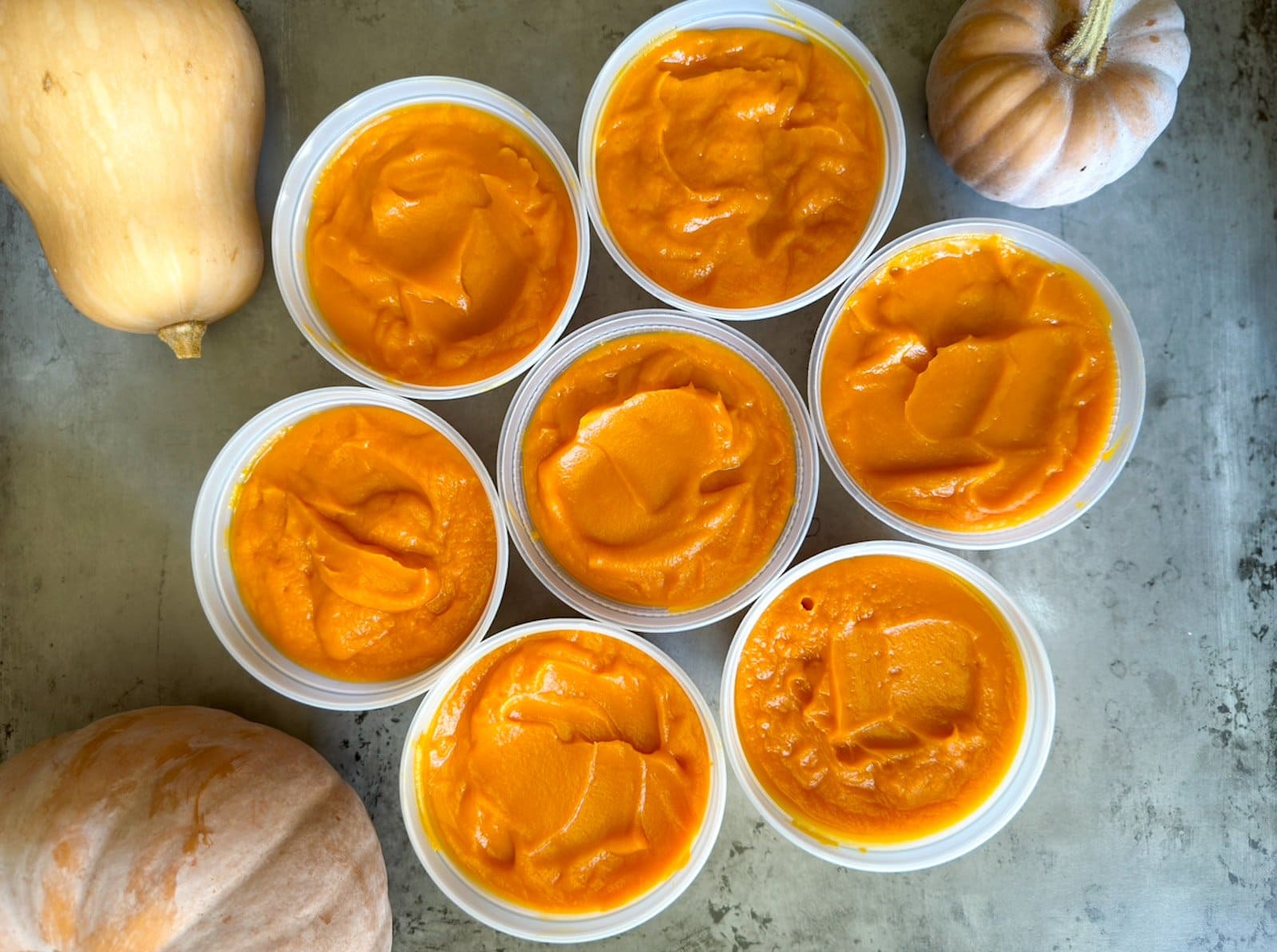
Freeze Butternut Squash Puree: Stock Up for Year-Round Use
As the vibrant hues of autumn fade and winter's chill sets in, many of us find ourselves drawn to the comforting embrace of seasonal produce. Butternut squash, with its rich, sweet, and nutty flavor, is a true winter staple. While delicious in countless dishes, the sheer abundance of this hearty gourd during peak season often leaves us wondering how to enjoy it all before it's gone. The answer lies in a culinary secret weapon: freezing homemade butternut squash puree. This simple yet incredibly effective method allows you to capture the essence of autumn and enjoy this versatile vegetable long after the last harvest.
Why Homemade Butternut Squash Puree is a Pantry Powerhouse
Making and freezing your own
homemade butternut squash puree isn't just about preserving; it's about unlocking a world of culinary possibilities and enjoying significant advantages over its store-bought counterparts.
Unmatched Versatility
One of the most compelling reasons to stock up on butternut squash puree is its incredible adaptability. Its subtle sweetness and creamy texture make it a welcome addition to both sweet and savory recipes. Imagine enriching your morning oatmeal or adding a nutritional boost to your smoothies. Picture a velvety curried butternut squash soup on a cold evening, or vibrant orange muffins fresh from the oven. From pasta sauces and risottos to homemade breads and even baby food, the possibilities are virtually endless. Beyond its delicious taste, butternut squash is packed with essential nutrients like fiber, vitamins A and C, and potassium, making your puree a healthy, flavor-packed addition to any meal.
Simplicity in Preparation
Don't let the idea of making your own puree intimidate you. The process requires minimal active time and no specialized equipment beyond what most home kitchens already possess. Butternut squash is also a much more manageable size than larger winter squashes like pumpkins, making preparation far less daunting.
The Freezer Advantage
While some vegetables suffer from texture degradation when frozen raw, butternut squash truly shines in its pureed form in the freezer. Unlike frozen squash cubes, which can become watery and lose their structural integrity, puree maintains its smooth consistency and vibrant flavor beautifully. It’s an effortless way to preserve your bounty, ensuring that the puree you pull from the freezer is as good as the day it was made.
Superior to Store-Bought
Once you experience the rich flavor and smooth texture of homemade butternut squash puree, you'll likely never return to the canned version. Making your own not only saves money but also significantly reduces waste associated with packaging. Crucially, you have complete control over the ingredients, meaning no hidden sugars, salts, or preservatives. For a deeper dive into the benefits, read more about
why homemade puree beats canned for flavor, fiber & value.
Stocking Up: Choosing and Storing Fresh Butternut Squash
The journey to delicious frozen puree begins with selecting the best fresh squash. Winter squash varieties like butternut mature on the vine and do not ripen further once harvested. This makes them an excellent candidate for stocking up.
Selecting Your Squash
When choosing butternut squash at the grocery store or farmer's market, look for ones that are firm and feel heavy for their size. The skin should be dull, smooth, and free from soft spots, blemishes, or mold. An intact stem is also a good indicator of freshness. If butternut squash isn't available, honey nut squash makes an excellent, albeit smaller, substitute and typically requires less baking time.
Long-Term Fresh Storage
One of the beauties of winter squash is its impressive shelf life. Once harvested, butternut squash can be stored whole in a cool, dry, dark place – such as a pantry, basement, or garage – for two to three months. This extended fresh storage period gives you the flexibility to process it into puree at your convenience, rather than feeling rushed to use it immediately.
Mastering the Art of Homemade Butternut Squash Puree
Creating this golden puree is surprisingly straightforward. With a few basic tools and steps, you’ll have a batch ready for freezing in no time.
Essential Tools
Before you begin, gather these items:
- Butternut Squash: The star of the show!
- Sharp Chef's Knife: Essential for safely cutting tough winter squash.
- Large Spoon: For scooping out seeds and flesh.
- Olive Oil (or Avocado Oil): A small drizzle for roasting.
- Baking Vessel: A large cast iron skillet, baking dish, or sheet pan lined with parchment paper.
- Food Processor or Blender: To achieve that perfectly smooth consistency.
Step-by-Step Guide to Perfection
- Prepare the Squash: Using a very sharp chef's knife, carefully cut off the stem end of the butternut squash. Then, stand the squash upright on its widest base and carefully cut it in half lengthwise. Exercise extreme caution as winter squash can be challenging to cut.
- Scoop Out Seeds: With a large spoon, scoop out all the seeds and fibrous "guts" from both halves. Don't discard the seeds; they can be roasted for a delicious, crunchy snack!
- Oil and Poke: Drizzle a little olive oil (or avocado oil) over the cut sides of the squash. Place the squash halves, cut side down, on your prepared baking sheet or in your baking dish. Poke each half a few times with a fork; this allows steam to escape during baking, ensuring even cooking.
- Bake Until Tender: Bake in a preheated oven at 350°F (175°C) for approximately 45 minutes to 1 hour, or until the squash is fork-tender. Cooking time will vary depending on the size of your squash. You can enhance the flavor by sprinkling a pinch of cinnamon, nutmeg, or even a tiny amount of maple syrup before baking.
- Cool Completely: Remove the squash from the oven and allow it to cool *completely* to room temperature. This step is crucial for achieving the best puree texture and for safe freezing.
- Scoop and Puree: Once cooled, scoop the tender flesh out of the peel and transfer it to the bowl of a food processor or a high-speed blender. Process until it forms a very smooth, lump-free puree. You typically won't need to add any liquid, as the roasted squash contains enough moisture.
- Enjoy or Store: Your homemade butternut squash puree is now ready to be used immediately or prepared for storage.
Freezing Your Golden Harvest: Long-Term Storage Solutions
Proper freezing techniques ensure your butternut squash puree maintains its quality for months.
Cooling is Key
As mentioned, ensure your puree has cooled to room temperature before freezing. Freezing warm food can lower the overall temperature of your freezer, potentially affecting other frozen items and promoting ice crystal formation in your puree.
Optimal Freezing Methods
- Freezer Bags: This is a highly recommended method for space efficiency. Portion your puree into freezer-safe bags (e.g., 1-cup or 2-cup increments). Flatten the bags to remove as much air as possible before sealing, creating flat "sheets" of puree. These stack neatly and thaw quickly.
- Glass Jars: If using freezer-safe glass jars, remember to leave at least an inch of headspace at the top. This allows for expansion as the puree freezes, preventing the jar from cracking.
- Ice Cube Trays: For smaller portions perfect for baby food, smoothies, or adding a touch of squash to a sauce, spoon the puree into ice cube trays. Once frozen solid, transfer the cubes to a larger freezer bag for long-term storage.
Labeling and Shelf Life
Always label your containers or bags with the date and contents. Homemade butternut squash puree will maintain its best quality in the freezer for 6 to 12 months.
Thawing Your Puree
When you're ready to use your frozen puree, there are several convenient thawing methods:
- Refrigerator Thawing: The safest and best method is to transfer the frozen puree to the refrigerator overnight.
- Microwave Thawing: For quicker thawing, use the defrost setting on your microwave.
- Directly into Hot Dishes: For soups, stews, or sauces, you can often add the frozen puree directly to the hot pan, allowing it to thaw and incorporate as it heats.
Unleashing the Versatility: Creative Uses for Your Frozen Puree
With a freezer full of homemade butternut squash puree, you'll have a ready-to-use ingredient that adds depth, nutrition, and a touch of sweetness to countless meals.
- Soups and Stews: The classic use! Blend into creamy butternut squash soup, enrich a hearty vegetable stew, or add to chili.
- Pasta Sauces and Risotto: Stir into a creamy pasta sauce for an extra layer of flavor, or fold into a risotto for a vibrant, autumnal twist.
- Baked Goods: Substitute for pumpkin puree in muffins, quick breads, pancakes, or waffles. It adds moisture and a beautiful golden hue.
- Smoothies and Oatmeal: Boost your breakfast by blending a dollop into your morning smoothie or stirring it into your hot oatmeal.
- Baby Food: A perfect, nutritious, and naturally sweet first food for infants, either plain or mixed with other purees.
- Savory Side Dishes: Reheat and mash with a touch of butter, sage, or cinnamon for an easy and elegant side dish.
Conclusion
Freezing homemade butternut squash puree is a simple, smart, and highly rewarding kitchen practice. It’s an easy way to prevent food waste, save money, and ensure you always have a healthy, versatile, and delicious ingredient on hand. By taking a little time during peak season, you can enjoy the sweet, nutty essence of butternut squash year-round, transforming everyday meals into something extraordinary. So, stock up on those beautiful gourds, get pureeing, and fill your freezer with this golden goodness!