Why Homemade Puree Reigns Supreme Over Canned for Flavor, Fiber & Value
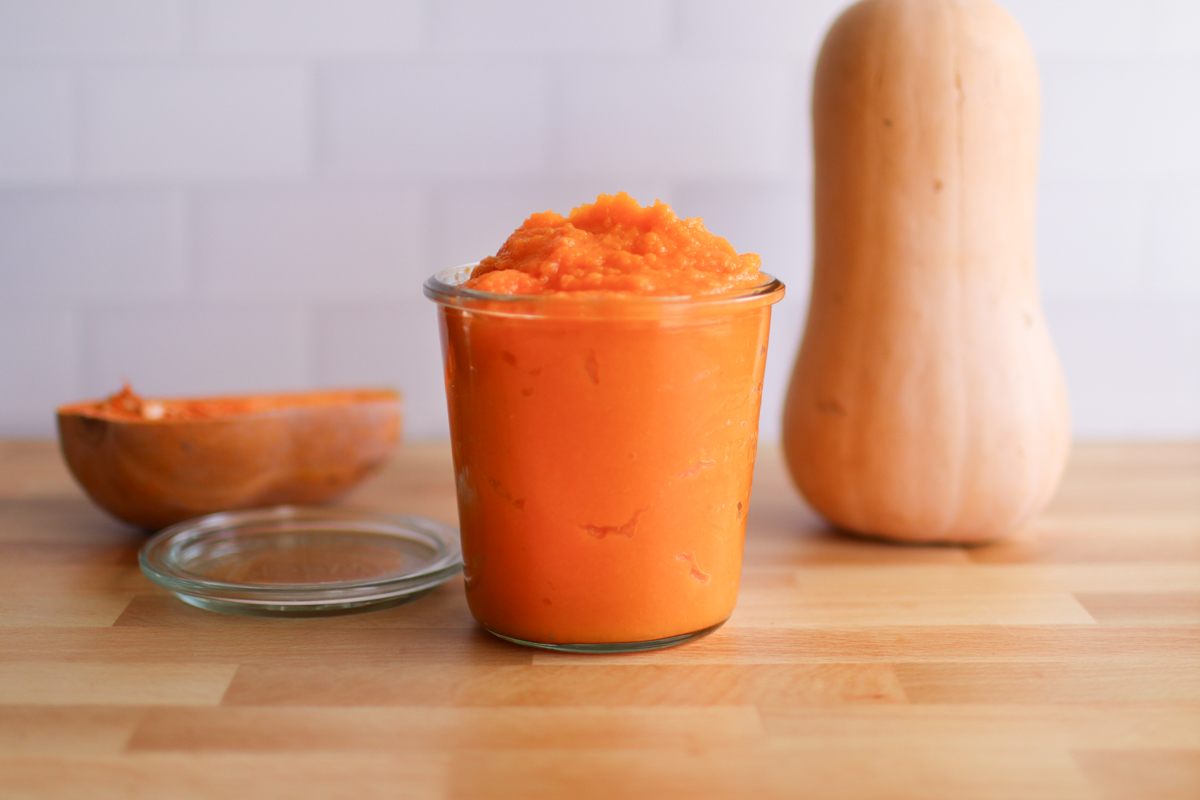
Imagine the rich, earthy aroma of roasted butternut squash filling your kitchen, its natural sweetness intensified by gentle caramelization. Now, picture that vibrant orange flesh, silken and smooth, ready to transform into countless delicious dishes. This isn't just a culinary fantasy; it's the reality of making your own
homemade butternut squash puree. While convenient, canned versions simply can't compare to the superior flavor, nutritional punch, and incredible value that comes from pureeing this versatile winter squash yourself.
The Unbeatable Advantages of Homemade Puree
Opting for homemade over store-bought canned puree is a choice that pays dividends in several key areas:
Superior Flavor Profile
This is arguably the most compelling reason to go homemade. Canned purees, by their nature, often undergo high-heat processing that can diminish the nuanced flavors of fresh produce. They can sometimes taste flat, metallic, or even slightly artificial. With homemade butternut squash puree, you control the entire process. Roasting the squash before pureeing it, as many recipes recommend, allows the natural sugars to caramelize, creating a profound depth of flavor that is both sweet and subtly nutty. This rich, authentic taste elevates any dish it touches, from savory soups to sweet baked goods. You capture the true essence of the squash, something a can simply cannot replicate.
Nutritional Powerhouse, Unadulterated
Butternut squash is a nutritional superstar, packed with vitamins, minerals, and dietary fiber. When you make your own puree, you ensure that these benefits remain intact and untainted.
*
Fiber Rich: Homemade puree retains all the natural fiber from the squash. Fiber is crucial for digestive health, blood sugar regulation, and prolonged satiety. Canned versions might lose some fiber during processing, or worse, contain added starches or gums to achieve a certain texture, which isn't the same as natural fiber.
*
Vitamin & Mineral Content: Butternut squash is an excellent source of Vitamin A (in the form of beta-carotene), Vitamin C, potassium, and magnesium. By preparing it fresh, you maximize the retention of these heat-sensitive nutrients compared to the prolonged processing of canned goods.
*
No Unwanted Additives: With homemade puree, you know exactly what goes into it – just squash and maybe a touch of olive oil, salt, or pepper. Canned purees, while often simple, can sometimes contain added sodium, preservatives, or even hidden sugars that you might prefer to avoid, especially if you're making baby food or managing dietary restrictions.
Cost-Effectiveness & Unbeatable Value
When butternut squash is in season (typically fall and winter), it's incredibly affordable, especially if you buy it at farmers' markets or in bulk at grocery stores. A single large squash can yield several cups of puree, often for a fraction of the cost of an equivalent amount of canned puree.
*
Seasonal Savings: Stocking up on whole squashes when prices are low allows you to enjoy them year-round. They store well in a cool, dry, dark place for several months before needing to be pureed.
*
Reduced Waste: Making your own puree often means you utilize the entire squash. The seeds can be roasted for a delicious snack, and the peels can be composted, leading to less packaging waste compared to buying multiple cans.
Mastering the Art of Homemade Butternut Squash Puree: A Simple Guide
Making your own
homemade butternut squash puree is surprisingly straightforward and requires no special equipment. It's a fantastic way to incorporate more wholesome vegetables into your diet.
Stocking Up on Nature's Goodness
The journey to perfect puree begins with selecting the right squash. Look for firm, heavy squash with no soft spots or blemishes. Butternut squash is ideal, but honey nut squash also works beautifully and bakes a little faster due to its smaller size. These winter squash varieties don't ripen further after harvesting, making them excellent for stocking up when fresh and in season. You can store whole squash in a cool, dark place for 2-3 months.
Essential Tools & Ingredients
You likely already have everything you need in your kitchen:
* Butternut squash (or honey nut squash)
* A drizzle of olive oil or avocado oil
* A sharp chef's knife (for safe cutting)
* A sturdy spoon (for deseeding)
* A baking vessel (sheet pan, baking dish, or cast iron skillet)
* Parchment paper (optional, for easy cleanup)
* A food processor or blender (for silky smooth puree)
* Alternatively, a potato masher (for a chunkier texture)
Step-by-Step to Silky Smooth Puree
The process is simple and largely hands-off:
1.
Prepare the Squash: Carefully use a sharp knife to trim off the stem and blossom ends of the butternut squash. Then, cut the squash in half lengthwise. Exercise caution, as winter squash can be tough to cut.
2.
Deseed and Prep: With a large spoon, scoop out all the seeds and fibrous strands. Don't discard the seeds! They can be roasted for a delicious, crunchy snack.
3.
Roast for Flavor: Drizzle a small amount of olive oil over the cut sides of the squash. Place the squash cut-side down on a baking sheet lined with parchment paper. Poke each half a few times with a fork. Roasting at 350° F (175° C) for 45-60 minutes (depending on size) until fork-tender is key. Roasting brings out that delicious caramelization and natural sweetness that cooking methods like boiling or steaming simply can't achieve.
4.
Cool Down: Once tender, remove the squash from the oven and allow it to cool completely. This makes it easier to handle and ensures the puree reaches the right consistency.
5.
Puree to Perfection: Scoop the soft, cooked flesh out of the skin and transfer it to the bowl of a food processor or blender. Process until you achieve a very smooth, lump-free puree. If you prefer a slightly chunkier texture, a potato masher works well too.
6.
Enjoy or Store: Your fresh
homemade butternut squash puree is now ready to use!
For a more in-depth, visual guide, check out our comprehensive tutorial:
Homemade Butternut Squash Puree: Easy Steps for Versatile Meals.
Beyond the Basics: Creative Uses & Storage Solutions for Your Puree
The true beauty of
homemade butternut squash puree lies in its incredible versatility. Having a batch on hand opens up a world of culinary possibilities.
Creative Culinary Applications
*
Soups and Stews: Add a creamy, comforting richness to bisques, chilis, or vegetarian stews. It acts as a natural thickener and flavor enhancer.
*
Baked Goods: Incorporate it into muffins, quick breads, pancakes, waffles, or even pies for added moisture, a beautiful golden hue, and a boost of nutrition.
*
Pasta Sauces: Create light, healthy, and flavorful pasta sauces. It pairs wonderfully with sage and brown butter.
*
Oatmeal and Smoothies: Stir a spoonful into your morning oatmeal or blend it into smoothies for a healthy, naturally sweet boost of vitamins and fiber.
*
Baby Food: It’s an ideal first food for babies due to its smooth texture, natural sweetness, and rich nutrient profile. You have complete control over what your little one eats.
*
Side Dish: A simple, seasoned bowl of puree makes a healthy and delicious side dish to almost any meal.
Smart Storage Solutions
One of the greatest benefits of making your own puree is the ability to preserve it for later use.
*
Refrigerator: Once cooled to room temperature, your
homemade butternut squash puree can be stored in an airtight container in the fridge for 3-5 days.
*
Freezer: For longer-term storage, freezing is your best friend. The puree freezes exceptionally well without any loss of texture or flavor upon thawing. You can freeze it in:
*
Ice Cube Trays: Perfect for small, single-serving portions for baby food, smoothies, or oatmeal.
*
Freezer Bags: Lay flat in zip-top bags, squeezing out excess air, for space-efficient storage.
*
Glass Jars or Freezer-Safe Containers: Leave some headspace for expansion if using jars.
To learn more about maximizing your yield and extending the life of your puree, check out our guide on
Freeze Butternut Squash Puree: Stock Up for Year-Round Use.
Why Canned Puree Often Falls Short
While canned puree offers undeniable convenience, it often comes with compromises that make
homemade butternut squash puree the superior choice for discerning cooks and health-conscious families.
*
Flavor Compromise: As mentioned, the industrial canning process can lead to a blander, sometimes metallic, taste that lacks the vibrant, sweet-nutty character of freshly roasted squash.
*
Nutritional Gaps: Even if no additives are present, the prolonged high-heat exposure during canning can degrade certain heat-sensitive vitamins, potentially offering a less nutritionally dense product than its fresh counterpart.
*
Inconsistent Texture and Quality: Canned purees can vary in consistency, sometimes being overly watery or thick, and the overall quality can be inconsistent between brands.
*
Hidden Ingredients: While many brands boast "100% squash," it's always wise to check labels for added sodium, sugars, or preservatives that might sneak in.
*
Environmental Impact: The production and disposal of cans contribute to a larger environmental footprint compared to buying whole, seasonal produce.
Embrace the Homemade Difference
The decision to make your own
homemade butternut squash puree is more than just a cooking choice; it's a commitment to superior flavor, enhanced nutrition, and greater control over the ingredients you consume. It's a simple, rewarding process that transforms humble squash into a versatile culinary staple, ready to enrich your meals and nourish your family. So, the next time you spot those beautiful butternut squashes in season, grab a few and experience the undeniable difference that homemade truly makes. Your taste buds, your body, and your wallet will thank you.